

Third Party Logistics Provider: What the Term Covers in 2026
The term third-party logistics provider, or 3PL, covers a broad range of services, from freight transportation and warehousing to specialized final-mile delivery and installation. While the definition is straightforward, understanding what a 3PL should deliver—and how to choose the right one—matters more.
For original equipment manufacturers (OEMs), the right 3PL does more than move products. It serves as a strategic partner, helping improve supply chain efficiency, control costs and support long-term business goals.
What Is a Third-Party Logistics Provider?
A third-party logistics provider is a company that manages or coordinates outsourced logistics functions, including transportation, warehousing, fulfillment, distribution, and final-mile delivery.
In practical terms, a 3PL is a shipper’s go-to resource for getting products where they need to go, when they need to be there.
Because logistics is their core business, 3PLs bring specialized expertise, infrastructure and operational resources that manufacturers may not have internally. However, not all providers offer the same capabilities, and choosing the right fit can significantly impact supply chain performance.
Why Your 3PL Should Be More Than a Service Provider
A 3PL’s responsibility shouldn’t begin when a shipment is scheduled and end when it’s delivered. The most effective providers operate as an extension of their customers’ supply chain teams, offering strategic guidance alongside day-to-day execution.
That means identifying process improvements, supporting long-term planning and consistently evaluating performance.
For example, an OEM experiencing recurring delivery delays may assume it needs a different carrier. But the underlying issue could involve inventory positioning, scheduling procedures or poor coordination between the warehouse and receiving location. An experienced 3PL should help identify the root cause and recommend solutions.
This consultative approach requires ongoing communication and alignment with internal supply chain teams. The goal isn’t simply to execute shipments, but to continuously improve how the supply chain operates.
Understanding the Different Types of 3PLs
While major providers such as FedEx, UPS and DHL offer services across multiple logistics functions, many 3PLs specialize in specific areas, including linehaul transportation, ocean and air freight, international shipping, expedited services and first or final mile delivery.
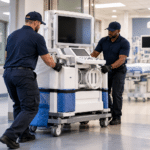
These distinctions matter because moving palletized freight between distribution centers requires very different capabilities than delivering a large, high-value piece of medical equipment into a hospital.
For example, an OEM shipping sensitive equipment nationwide may need more than standard freight transportation. Inside delivery, specialized handling, site coordination and installation support may all be required.
That’s where a specialized 3PL such as TechTrans fits in, providing white glove, final mile delivery and installation logistics for manufacturers of high-value equipment.
The key is identifying the specific logistics need before evaluating potential providers, rather than selecting a company based solely on size or price.
How to Select the Right 3PL
Choosing a logistics partner should involve more than comparing transportation rates. Manufacturers should follow a structured evaluation process that includes four key steps:
- Identify internal needs. Determine which logistics functions require improvement, whether that’s reducing transportation costs, expanding geographic coverage or managing complex final mile deliveries.
- Vet potential providers. Evaluate industry experience, service capabilities, geographic reach, technology and performance history. For specialized equipment, handling expertise and delivery procedures are particularly important.
- Establish a thorough onboarding process. Define responsibilities, communication protocols, performance expectations and any product-specific requirements before operations begin.
- Measure and adjust. Conduct regular performance reviews to identify recurring issues, implement improvements and ensure the relationship continues to meet business objectives.
A successful 3PL partnership should evolve alongside the manufacturer’s operational needs.
Measuring 3PL Performance Beyond On-Time Delivery
Traditional logistics metrics—including on-time delivery percentages, damage rates, claims frequency and customer satisfaction—remain essential measures of 3PL performance.
However, these numbers don’t always reflect the full impact a logistics provider has on a manufacturer’s business.
Consider a 3PL achieving a 98% on-time delivery rate by frequently using costly expedited transportation. While its delivery performance appears strong, the operation may be far less efficient than it should be.
Leading 3PLs should also demonstrate measurable value in three areas:
- Cost reduction and avoidance: Improving routing, reducing repeat deliveries, minimizing damage and eliminating unnecessary expenses.
- Strategic planning: Helping manufacturers make better decisions about inventory positioning, distribution strategies and future capacity requirements.
- Resource optimization: Streamlining scheduling, improving coordination and reducing the administrative burden on internal supply chain teams.
These measures provide a more complete picture of whether a 3PL is simply meeting service requirements or actively improving supply chain performance.
What Manufacturers Should Expect From a 3PL in 2026
For OEMs managing complex distribution networks and high-value equipment, logistics performance directly affects operating costs, customer satisfaction and business growth.
A failed delivery can mean more than a missed appointment. Equipment damage, installation delays or an unprepared receiving site can create additional expenses and disrupt customer operations.
Specialized providers understand these challenges and help manufacturers address them before they become costly problems.
At TechTrans, that means combining specialized final mile delivery and installation logistics with the coordination and operational expertise required to support complex equipment shipments.
Ultimately, the value of a third-party logistics provider shouldn’t be measured solely by how efficiently it moves freight, but by how effectively it helps customers improve their overall supply chain.
Specialized Logistics for High-Value Equipment
TechTrans partners with OEMs to provide specialized transportation, white glove delivery and installation logistics solutions. From individual equipment deliveries to nationwide rollouts, we help manufacturers improve execution, reduce risk and meet customer expectations.
Related Posts...