


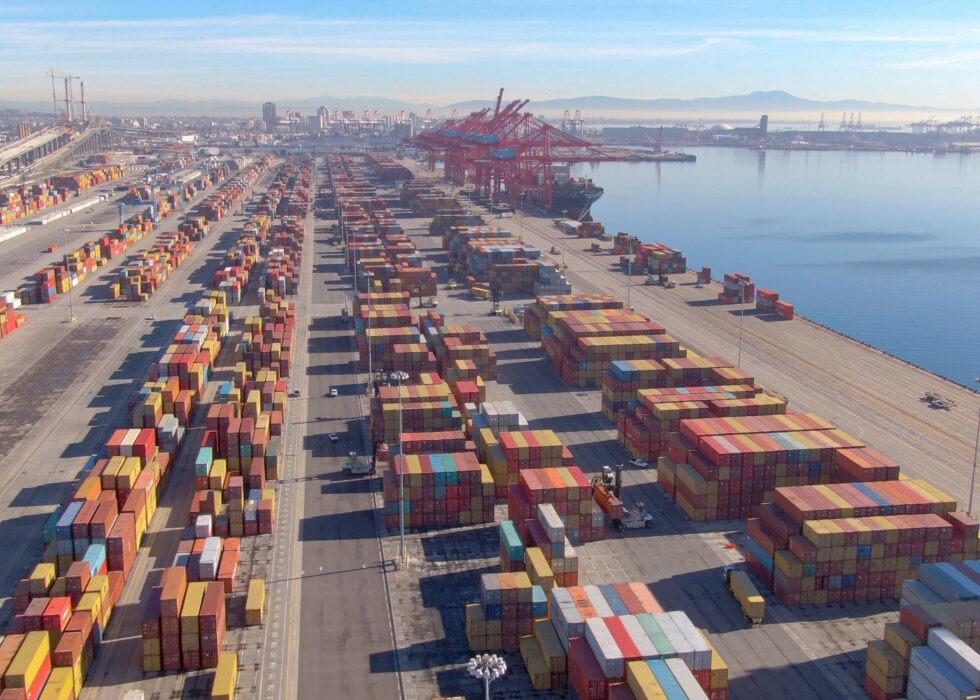




The Role of Comprehensive Logistics in Modern Industry
In our modern, globally connected era, comprehensive logistics has emerged as a crucial component for success. Whether it’s ensuring timely delivery or optimizing supply chains, understanding the full scope of logistics can give a competitive edge. Let’s explore how logistics plays a vital role in modern industry.

Understanding Comprehensive Logistics
Comprehensive logistics encompasses the complete management of the flow of goods, services, and information between the point of origin and consumption. This holistic approach involves not only the physical movement of products but also the coordination of various logistical components such as transport, warehousing, and inventory management. The goal is to satisfy customer requirements efficiently and economically.
Integrated logistics solutions are becoming a fundamental part of this strategy, as they allow businesses to address logistical challenges with innovative and sustainable solutions. This approach significantly influences a company’s ability to stay competitive in an ever-evolving market by reducing redundancies and supporting seamless operations.
Modern industry has witnessed a seismic shift towards comprehensive logistics due to numerous factors, including globalization and technological advances. Integrating the latest technologies like blockchain, IoT, and artificial intelligence is vital in logistics management by enhancing transparency, accuracy, and efficiency. For instance, automation and digital tracking systems provide real-time data, minimize errors, and streamline processes that were otherwise cumbersome or prone to delay. With these innovations, companies can focus not just on moving products but ensuring a robust strategy that integrates multiple logistics processes into one cohesive system.
One key benefit of comprehensive logistics is the reduction in total cost of installation and delivery as highlighted by TechTrans’ solutions. Streamlining logistics through a single-provider minimizes coordination complexities and hidden costs associated with managing multiple contractors. This one-stop-shop approach captures how businesses can tap into economic efficiencies while maintaining control over logistics performance metrics. By tying all logistical components together, companies can offer predictable and scalable solutions that are instrumental in tackling complex global supply chain challenges.
Enhancing Supply Chain Efficiency
Effective supply chain management stands at the heart of successful logistics strategies, driven by the need to enhance the speed and reliability of product delivery from manufacturers to consumers. By streamlining the various processes involved, companies can improve efficiency, reduce lead times, and meet higher customer expectations.
For many businesses, adopting strategic end-to-end supply chain solutions has proven advantageous, as they mitigate risk, optimize operations, and offer significant cost savings. These integrated systems consolidate resources, facilitating better decision-making and adaptation to market fluctuations.
To further improve supply chain efficiency, companies are also investing in digitization and automation, addressing communication challenges inherent in handling multiple suppliers. In practice, this shift translates to less downtime, improved supply chain transparency, and the ability to track every movement of goods in real-time. This not only ensures efficient handling of resources but also nurtures strategic partnerships and builds a resilient supply chain that can withstand external pressures, whether economic or environmental.
The Impact on Cost Management
Logistics plays a pivotal role in controlling costs across the supply chain. The efficiency gained from well-structured logistics systems translates into significant savings for businesses by optimizing routes, consolidating shipments, and utilizing the latest technology to anticipate and react to inefficiencies. Implementation of integrated logistics approaches reduces redundancies and promotes cost-effective delivery mechanisms. By migrating to holistic management solutions, companies unlock the potential for resource optimization that amplifies their competitive edge.
In many cases, particularly in industries fraught with driver shortages, logistics reforms present an answer to soaring transportation costs, while also addressing service continuity. By tapping into non-asset-based logistics providers–such as TechTrans–which have the flexibility to access various providers, organizations can sidestep the pitfalls associated with internal shortages and capitalize on best-in-class policies. This not only helps fill logistical gaps but looks towards more sustainable and autonomous solutions for long-term cost management and operational effectiveness.
Ultimately, leveraging comprehensive logistics tools provides organizations with a total view of their supply chain, enhancing decision-making to avoid unnecessary expenditures. Insights derived from data analytics empower teams to anticipate demand, optimize stock levels, and efficiently allocate resources. This is key in not only sustaining but enhancing productivity across sectors, allowing companies to thrive in an increasingly competitive global market.
Sustainability in Logistics
With environmental concerns on the rise, logistics is at the forefront of implementing sustainable practices. This shift is driven by both corporate responsibility and market pressure to reduce carbon footprints and promote eco-friendliness. The transition towards sustainable logistics strategies includes processes for optimizing fuel efficiency, the adoption of electric vehicles, and green warehouse facilities. Such initiatives significantly lower emissions and align logistics operations with broader environmental goals—strategies that are also attractive to stakeholders who prioritize corporate sustainability governance.
Besides environmental benefits, sustainable logistics yield socio-economic advantages by creating a resource-efficient ecosystem that supports long-lasting business growth. The integration of green technology within logistics practices, such as renewable energy solutions and energy-efficient equipment, carries commercial incentives by reducing costs and increasing the value perception among customers and partners. Companies committed to sustainability not only future-proof their operations but also lead the industry in setting new standards for innovation-driven logistics solutions.
As logistics evolves, it is clear that sustainable practices will play an increasingly central role. The industry is gradually making strides toward a future where human and environmental health are at the forefront of operational design.
Future Trends in Logistics
As technology evolves, so does its application in logistics. The rise of artificial intelligence (AI) continues to refine logistics operations, offering predictive analytics and real-time decision-making capabilities that optimize supply chain performance. AI-driven logistics solutions facilitate data assimilation and enable firms to anticipate challenges before they arise, ensuring seamless integration across all logistical nodes. The expanding role of AI marks a transformative phase for logistics, emphasizing precision and agility in fulfilling complex consumer demands.
Furthermore, blockchain technology holds promise for ensuring transparency and security within supply chains. Its ability to provide immutable records and facilitate trust among participants is paving the way for smarter and more secure logistics practices, minimizing potential fraud and error across all transaction layers in an organization. As these technologies mature, the logistics landscape is braced for change, with these tools propelling the industry toward greater levels of trust, accountability, and operational fluidity.
Embracing Logistics for Future Success
Comprehensive logistics is undeniably a backbone of modern industry. From optimizing supply chains to embracing sustainable practices, businesses that harness the power of logistics can expect enhanced efficiency and competitive advantages. As the global supply chain continues to evolve, the importance of efficient and cost-effective logistics management will only grow.