Purchasing a new piece of medical equipment is a major investment for any healthcare organization. For medical device manufacturers and OEMs, however, the sale isn’t complete when the equipment leaves the warehouse—it’s complete when the equipment is installed, operational and delivering value to the customer.
A delayed delivery, poor communication or installation setback can impact customer satisfaction, postpone revenue recognition and create unnecessary service issues before the equipment is ever used.
Whether supporting a single installation or coordinating a nationwide rollout, these seven considerations can help manufacturers deliver a smoother installation experience while protecting both their equipment and their reputation.
Site Readiness Should Be Confirmed Before Equipment Ships
One of the most common installation delays has nothing to do with transportation—it occurs because the customer site isn’t fully prepared.
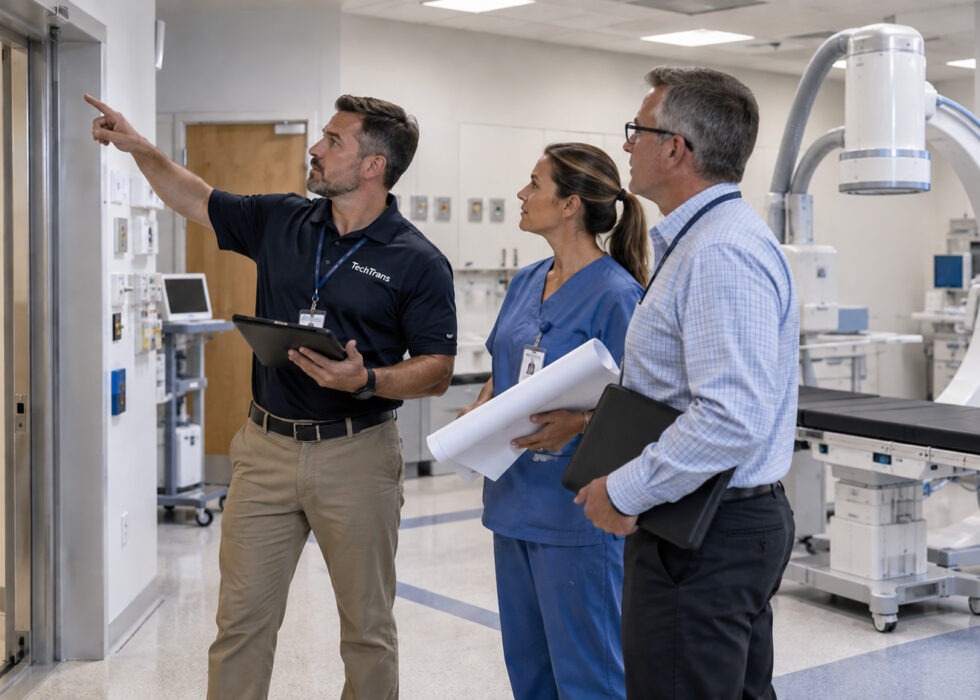
Before equipment is dispatched, manufacturers should perform a site readiness assessment to confirm that the facility is ready to receive it. This includes verifying access points, elevator capacity, utility connections, network infrastructure and room completion. Imaging equipment, laboratory analyzers and other large systems often have specific installation requirements that must be addressed well in advance.
A logistics partner that communicates proactively with the customer can help identify potential issues before the shipment is in transit, reducing costly delays and rescheduled installations.
Delivery Timing Directly Impacts Installation Success
Hospitals and healthcare facilities rarely have the flexibility to accept deliveries at any time.
Installations frequently must be coordinated around patient schedules, loading dock availability, infection control protocols and the availability of biomedical engineers, installers and clinical staff. Even arriving a few hours outside the agreed delivery window can create scheduling conflicts that delay commissioning.
Experienced healthcare logistics providers understand these operational realities and coordinate deliveries to align with the customer’s installation schedule—not simply the carrier’s delivery route.
High-Value Medical Equipment Requires Specialized Handling
Medical equipment is engineered to exacting standards, and transportation should reflect that level of precision.
Diagnostic imaging systems, laboratory instruments, robotic surgical platforms and other sophisticated technologies contain delicate electronics and calibrated components that require careful handling throughout transit. Improper loading, excessive vibration or unnecessary handling can increase the risk of damage and costly installation delays.
Selecting a logistics partner with experience handling sensitive medical equipment helps ensure these valuable assets arrive ready for installation rather than requiring unexpected repairs or recalibration.
White Glove Delivery Enhances the Customer Experience
For manufacturers, delivery is often the customer’s first in-person interaction after the purchase.
A professional white glove delivery experience reinforces confidence in both the product and the brand. Instead of leaving equipment at the loading dock, trained logistics professionals deliver it to its final location, unpack it, remove packaging materials and position it for installation.
This level of service allows installation teams to begin work immediately while presenting a polished, professional experience that reflects positively on the manufacturer.
Communication Is Just as Important as Transportation
Medical equipment installations involve multiple organizations working toward a common deadline. Manufacturers, logistics providers, field service engineers, hospital facilities teams and third-party contractors all depend on timely communication to keep projects moving.
Providing proactive shipment updates, confirming delivery appointments and maintaining a single point of contact helps reduce uncertainty throughout the installation process. When every stakeholder has accurate, real-time information, projects are more likely to stay on schedule and unexpected issues can be addressed before they become costly delays.
Reverse Logistics Should Be Part of the Installation Plan
A successful installation often includes more than delivering new equipment.
Manufacturers may also need to coordinate the removal of existing systems, return shipping for demonstration equipment, refurbishment programs, warranty replacements or environmentally responsible disposal of retired devices. Planning these activities before installation day creates a more seamless customer experience and reduces unnecessary downtime.
An experienced logistics partner can manage both inbound and outbound transportation as part of a single, coordinated project.
Your Logistics Partner Represents Your Brand
Every interaction during the delivery and installation process shapes the customer’s perception of your company.
Drivers, installers and logistics coordinators become an extension of your brand, often interacting directly with physicians, administrators, biomedical engineers and purchasing teams. Professionalism, communication and attention to detail during these final stages can reinforce the confidence customers felt when they selected your equipment—or undermine it.
Choosing a logistics provider with healthcare expertise means choosing a partner that understands the importance of delivering not only equipment, but also an exceptional customer experience.
Installation Is the Final Step in the Customer Journey
For medical device manufacturers and OEMs, successful medical equipment installation isn’t simply an operational task—it’s a critical part of the customer experience.
By ensuring facilities are prepared, coordinating delivery with installation schedules, providing specialized handling and supporting reverse logistics, manufacturers can reduce delays, protect valuable equipment and help customers realize the full value of their investment sooner.