


Measuring Success in the White Glove Logistics World
With the large amount of data available, organizations are continuously seeking ways to improve operational efficiency. One of the most common ways companies do this is by implementing specific Key Performance Indicators (KPIs), which raises the question: what is a KPI?
KPIs are quantifiable metrics used to evaluate the success of specific business functions. In logistics, they provide critical insight into service quality, cost control, and operational effectiveness. This article explores commonly used logistics KPIs and highlights those TechTrans recommends specifically for White Glove logistics programs.
Defining the Right KPIs
Before implementing KPIs, it’s essential to understand what you are measuring, why it matters, and how you will respond if performance falls short. Traditional logistics metrics often include:
- On-time delivery percentage
- Damage percentage
- Claims percentage
- Average transit time
While these indicators are important, they don’t always capture the full picture—especially in complex, high-touch White Glove environments. To gain deeper, more actionable insight, TechTrans recommends incorporating the following KPIs:
Key KPIs for White Glove Logistics
Shipment Types (Outbound, Inbound, Site-to-Site/Transship)
Tracking shipment types helps identify broader trends within a White Glove program. For example, a high volume of site-to-site shipments for demo equipment may signal limited available inventory. This insight can drive proactive decisions such as producing additional units or reallocating existing assets more effectively.
Total Time to Delivery (Including Storage)
This metric highlights inefficiencies across the entire delivery lifecycle. In scenarios where shipments require scheduled delivery appointments, freight may arrive in the destination city well before the appointment date. Extended dwell time at terminals can result in unnecessary storage costs. Monitoring this KPI allows teams to refine pickup and delivery timing to minimize delays and reduce avoidable expenses.
Costing Reports
Comprehensive costing reports provide visibility into average shipment costs, total spend over a given period, and detailed cost drivers. When costs exceed expectations, deeper analysis may uncover issues such as inefficient packaging, suboptimal hub locations, or excessive accessorial charges—many of which can be mitigated through better planning and execution.
Turning Insight Into Action
Defining and measuring KPIs is only the first step. To realize their full value, underperforming metrics must be addressed promptly with corrective action. If certain KPIs continue to trend negatively over time, it may be appropriate to reassess processes—or even evaluate alternative logistics partners.
TechTrans recommends reviewing KPIs on a monthly, quarterly, and annual basis to ensure consistent performance and alignment with business objectives. By clearly defining, monitoring, and acting on meaningful KPIs, supply chain teams can allocate resources more effectively and drive long-term success.
If you have questions or would like to discuss a potential partnership with TechTrans, please contact us.
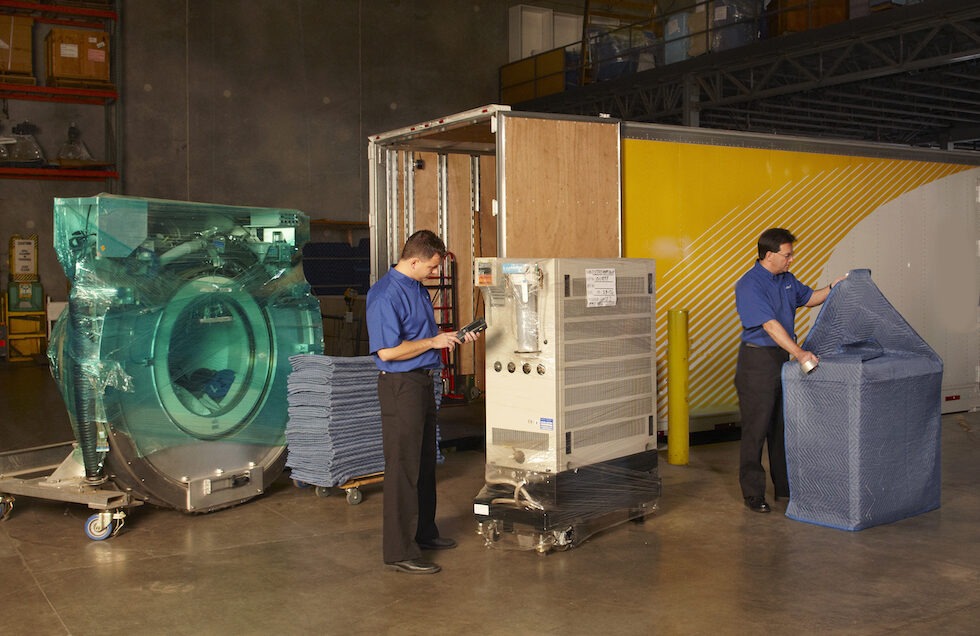
Unlocking Value Through Reverse Logistics of Capital Equipment
Against today’s backdrop of tariffs, economic pressures and supply chain challenges, organizations are doubling down on efforts to reduce waste and recover value from their operations. One area with significant untapped potential is reverse logistics of capital equipment.
When high-value assets like medical imaging systems, diagnostic analyzers, or cash recyclers reach the end of their lifecycle, their story doesn’t end at the point of use. For many manufacturers, the process of retrieving, refurbishing, and responsibly managing these assets isn’t simply a logistical afterthought; it’s a strategic function that protects asset value, ensures regulatory compliance, and drives sustainability.
Done well, reverse logistics can mean the difference between millions in recovered value and costly write-offs. Following is summary of what should be considered with a reverse logistics program for your capital equipment.
Refurbish & Resell: Maximizing Asset Recovery
In industries where a single device can be worth tens or even hundreds of thousands of dollars, the ability to efficiently return, inspect, refurbish, and redeploy equipment is a financial imperative. A robust reverse logistics program enables manufacturers to:
- Extend lifecycle value by transforming used equipment into certified pre-owned inventory.
- Capture new market segments by offering refurbished devices to price-sensitive buyers.
- Reduce environmental impact by minimizing the need for new production.
However, gaps in reverse logistics can be costly. Incomplete or inconsistent solutions risk diminished resale value, or worse – legacy devices competing on secondary resale markets outside of your control. For manufacturers under regulatory oversight, the stakes are even higher. Proper reverse logistics ensure every device tied to your brand is accounted for throughout its lifecycle, protecting your company from potential liability.
Managing Internal Inventory: Demo, Evaluation & Marketing Assets
High-cost demo units, evaluation devices, service loaners, and marketing assets are often among the most under-tracked equipment within a manufacturer’s ecosystem. Without proper oversight, these valuable assets can easily fall into logistical black holes, leading to wasted resources and lost opportunities.
An effective reverse logistics process empowers teams by:
- Maintaining visibility and accountability for assets across a distributed network.
- Ensuring demo and loaner equipment remains in optimal condition for the next use.
- Supporting high-quality sales demonstrations and marketing engagements that can mean the difference between closing a deal and missing out.
By introducing inspection checkpoints at key transfer points (such as between customer sites and internal teams) manufacturers can protect asset integrity and maximize sales potential.
Trade-In and Swap Programs: Coordinated Delivery & Removal
The replacement of legacy systems (whether a surgical laser console or a branch-based cash recycler) requires seamless synchronization between new order fulfillment and the retrieval of outdated equipment. Reverse logistics plays a pivotal role in ensuring this process is smooth and efficient.
Manufacturers that can offer customers a coordinated delivery, installation, and removal process:
- Enhance customer satisfaction with a seamless transition.
- Minimize downtime, which is especially critical in healthcare and financial services.
- Ensure legacy assets don’t get stranded in the field, lost, or unaccounted for.
This level of coordination not only improves customer experience but also strengthens brand trust and long-term loyalty.
A Single Source Partner Maintains Supply Chain Integrity
Reverse logistics of capital equipment isn’t just a backend process, it’s a strategic enabler of revenue recovery, regulatory compliance, and sustainability. By investing in efficient reverse logistics solutions, manufacturers can extend asset lifecycles, better serve their customers, and protect their brands. Better yet, partnering with a single-source provider such as TechTrans ensures seamless supply chain management, giving companies the confidence that every step of their reverse logistics program is optimized to maximize value.